
 Jun 16,2026
 By:
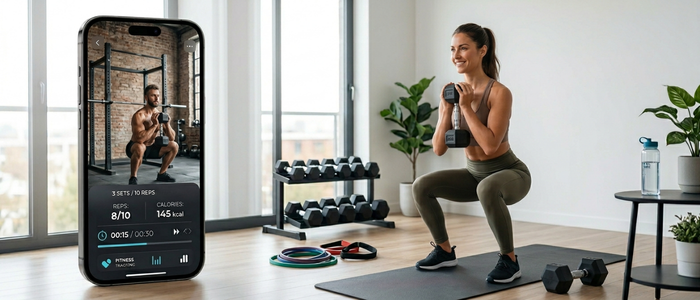
By: The popularity of home workouts continues to grow as people seek flexible and affordable ways to stay active. Whether your goal is weight loss, muscle building, endurance improvement, or maintaining a healthy lifestyle, today's digital fitness tools offer solutions for every fitness level.
Why Fitness Apps are More Popular Than Ever
Technology has completely transformed the fitness industry. Instead of relying solely on gyms and fitness centers, people can now access professional training programs from virtually anywhere. Modern Workout Apps provide structured exercise plans, instructional videos, progress tracking, and personalized recommendations based on individual fitness goals.One of the primary reasons for the success of these applications is convenience. Users can exercise at home, while traveling, or even during short breaks throughout the day. This flexibility removes many common barriers that prevent people from maintaining a consistent fitness routine.
Additionally, many Fitness Apps now incorporate artificial intelligence, wearable device integration, and real-time analytics to create highly personalized fitness experiences.
How Fitness Apps Help With Weight Loss
Weight loss remains one of the most common reasons people download fitness applications. Successful weight management requires a combination of physical activity, proper nutrition, and consistent tracking. The best Weight Loss Apps simplify this process by helping users monitor calories, track workouts, measure progress, and stay accountable.Many applications now offer customized meal recommendations, hydration reminders, and daily activity goals. By providing users with detailed insights into their habits, these tools make it easier to identify areas for improvement and maintain long-term consistency.
The ability to visually track progress also plays a major role in motivation. Seeing measurable improvements over time often encourages users to stay committed to their fitness goals.
Features to Look for in Fitness Apps
Not all fitness applications provide the same value. When selecting a fitness platform, it's important to choose one that aligns with your personal objectives.The most effective Fitness Apps typically include workout libraries, progress tracking, goal setting, personalized recommendations, and integration with wearable devices. Many also offer community support, allowing users to connect with others who share similar fitness goals.
Video demonstrations and step-by-step instructions are particularly valuable for beginners. These features help ensure exercises are performed correctly, reducing the risk of injury while improving workout effectiveness.
Best Workout Apps for Home Training
Home workouts have become one of the most popular fitness trends in recent years. The best Workout Apps offer structured exercise programs that require little or no equipment, making them accessible to users regardless of their living situation.Many Home Workout Apps include strength training, yoga, Pilates, cardio workouts, high-intensity interval training (HIIT), and mobility exercises. These programs are designed for different fitness levels, allowing both beginners and experienced athletes to benefit from the same platform.
The flexibility to work out on your own schedule makes these applications an attractive alternative to traditional gym memberships.
Fitness Tracking and Smart Technology
One of the most exciting developments in Health and Fitness Technology is the integration of fitness applications with wearable devices. Smartwatches, fitness bands, and health trackers provide real-time data that helps users monitor their performance more accurately.Metrics such as heart rate, calories burned, sleep quality, daily steps, and recovery levels can be synced with Fitness Tracking Apps. This information provides valuable insights into overall health and allows users to make informed decisions about their fitness routines.
As wearable technology continues to evolve, fitness applications are becoming increasingly sophisticated in their ability to deliver personalized recommendations.
Personalized Fitness Plans and Virtual Coaching
Many modern fitness platforms now offer customized workout and nutrition plans based on individual goals, fitness levels, and preferences. This level of personalization helps users achieve better results than generic exercise programs.Personal Training Apps have also gained popularity by providing virtual coaching experiences. Users can receive guidance, feedback, and motivation from certified trainers without attending in-person sessions.
These digital coaching solutions make professional fitness support more affordable and accessible than ever before.
The Benefits of Home Workouts
Home workouts continue to gain popularity because they eliminate many common obstacles associated with traditional fitness programs. There is no need to commute to a gym, wait for equipment, or schedule workouts around facility operating hours.With the help of modern Workout Apps, users can access professionally designed exercise programs whenever it is most convenient. This flexibility often leads to greater consistency, which is one of the most important factors in achieving long-term fitness success.
For busy professionals, students, and parents, home workout solutions provide a practical way to stay active without disrupting daily responsibilities.
Common Mistakes to Avoid When Using Fitness Apps
While Fitness Apps can be highly effective, users should avoid relying solely on technology to achieve results. Consistency, proper nutrition, and realistic expectations remain essential components of any successful fitness journey.Another common mistake is choosing overly aggressive workout programs too quickly. Beginners should focus on gradual progress rather than attempting advanced routines immediately. Sustainable habits typically produce better long-term results than short periods of extreme effort.
Tracking progress regularly and adjusting goals, when necessary, can help maintain motivation and prevent burnout.
The Future of Health and Fitness Technology
The future of Health and Fitness Technology looks incredibly promising. Artificial intelligence, virtual reality workouts, advanced health monitoring, and predictive fitness analytics are expected to become increasingly common in the coming years.Future Digital Fitness Solutions may provide highly personalized recommendations based on genetics, recovery patterns, and real-time health data. These innovations will continue to improve the effectiveness and accessibility of digital fitness tools.