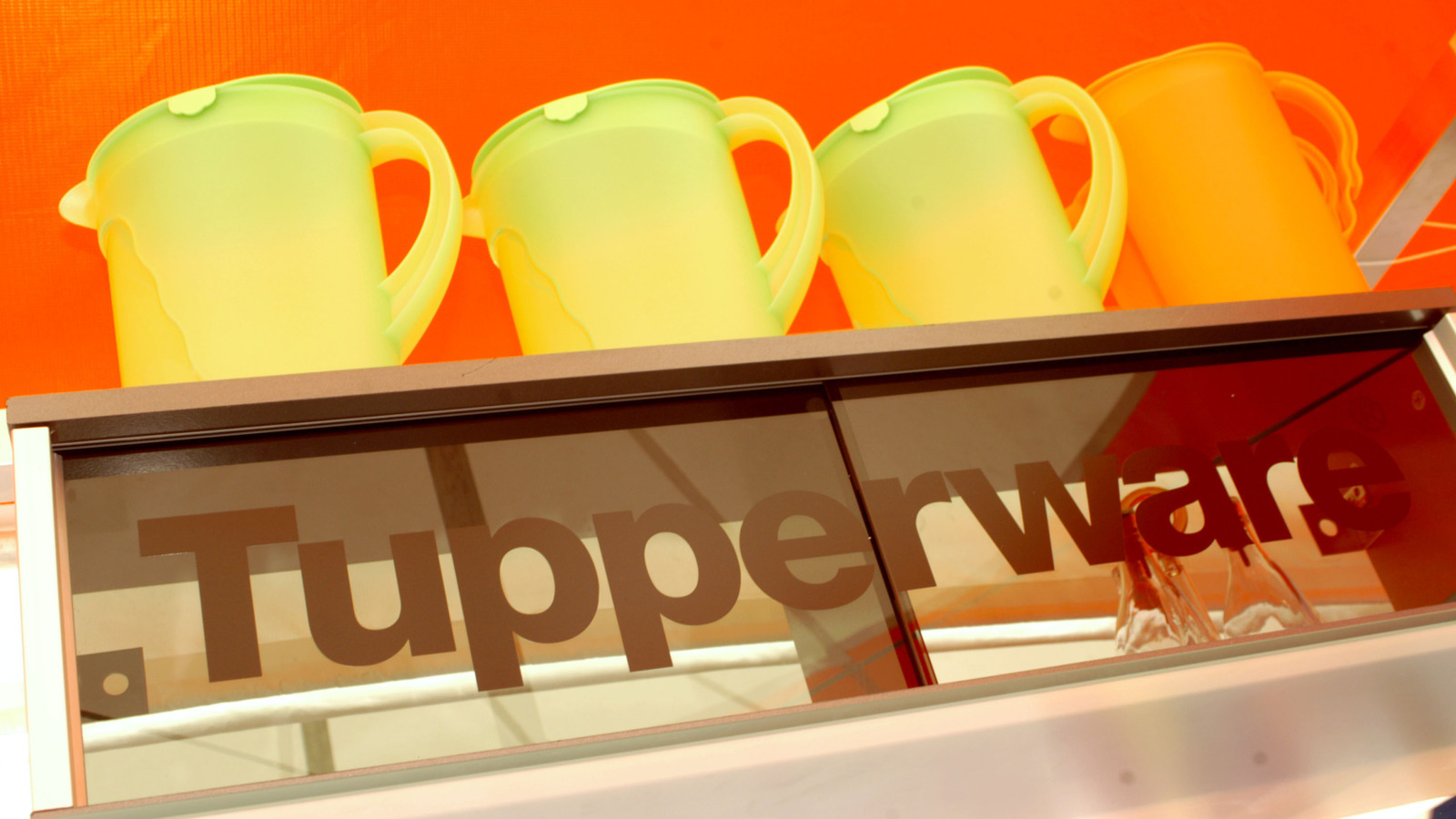


World War II has left a surprising legacy on our eating habits, and we still eat many foods that were invented during wartime , but nothing has had such a lasting social impact as the plastic food storage containers that were invented from war leftovers. Tupperware, as a product and a social phenomenon, got its start and found its success in the shifting cultural trends and social expectations of postwar America, and could not have thrived without the postwar economic boom and a nationwide return to domesticity. Innovative for their new approach to food preservation, Tupperware containers were a product intended for the kitchen, and the women who were sent back home to preside over this domain.
The brand's midcentury golden era, however, arose because these same women challenged their newly redefined roles as homemakers to help sell this revolutionary product. Tupperware found an avid consumer base through a game-changing sales model, and its plastic containers were vessels for female autonomy as much as improved food preservation. But in a new century, with women returning to the workforce and new insights into how plastic kitchenware absorbs odors and leaches chemicals, the brand has lost its sales force in tandem with the shift of plastics becoming démodé.

Ahead of its time as it may once have been, Tupperware has not been able to rebrand in recent decades. Many conflicting social factors have contributed to its rise and fall. The invention of plastic led to new kitche.