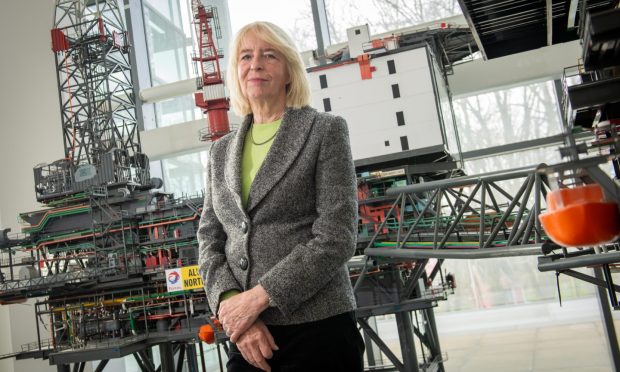


How do workmates get along when one of them is a robot? Is music helpful in an operating theatre? And what could a vet in Africa learn from Piper Alpha to help relocate endangered rhinos? These are just some of the questions encountered by Aberdeen Professor Rhona Flin during her decades of research into human behaviour in safety-critical roles. Rhona is and Emeritus Professor in . Her work on “safety in the hot seat” has had an impact in every sector from health to aviation across five continents.
So-called ‘non-technical skills’ are Rhona’s area of expertise and, as she explains, they can mean the difference between life and death. Rhona and fellow authors Paul O’Connor and Tom Reader are currently revising their influential book on this subject, . The book highlights the non-technical skills of situation awareness, decision-making, communication, team-working, leadership, managing stress and coping with fatigue.

That may all sound quite complex, but it can be as basic as noticing how people speak to each other. Rhona says these are skills we all have, but those “at the sharp end” need to deploy them wisely. Aviation, and oil and gas For example, US naval aviators are now trained to use tone and volume, as well as words, when guiding pilots to land on aircraft carriers.
It’s the difference between saying softly, “a little power” if the landing trajectory needs a slight correction, to loudly saying “POWER” if it’s off by a lot. Politeness has cont.