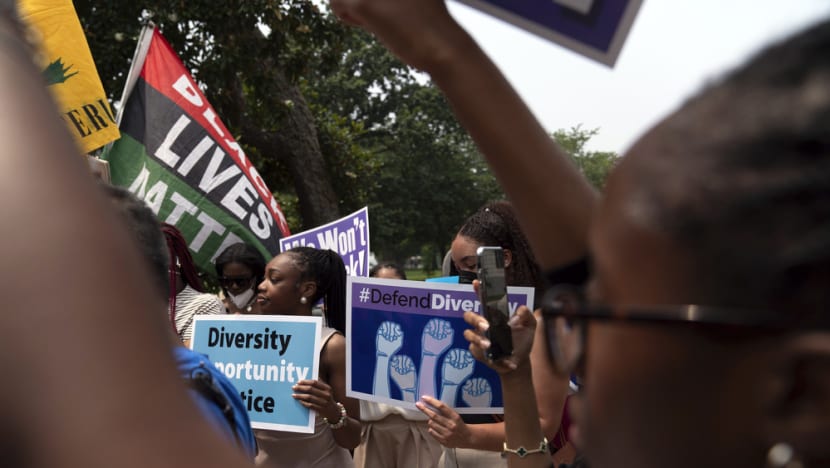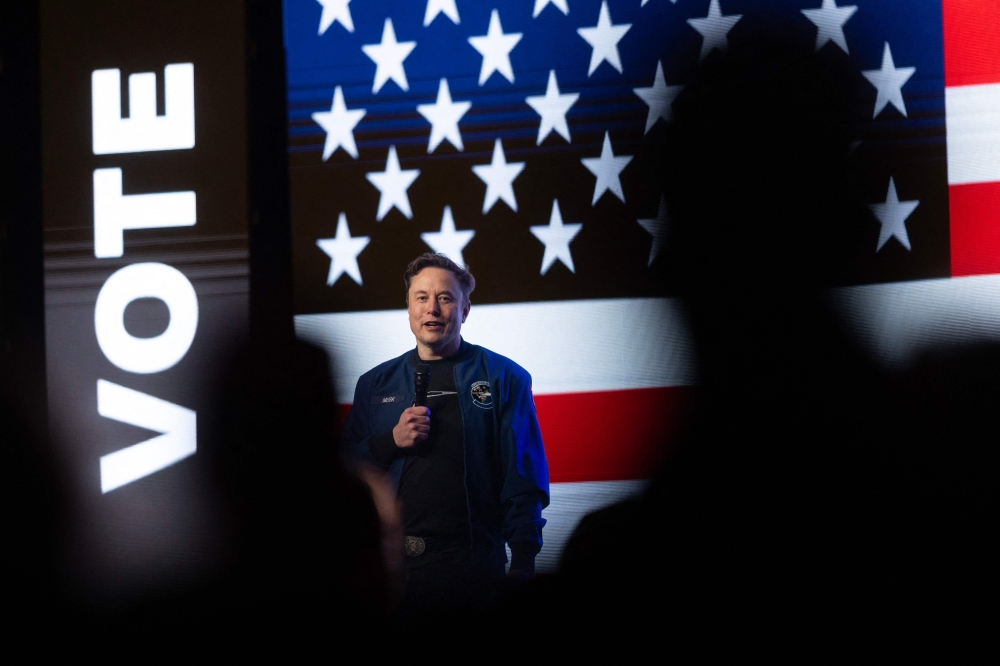


SINGAPORE: In his inaugural address in January, United States President Donald Trump declared: "We will forge a society that is colour blind and merit-based." Shortly after, his administration rolled back nearly 80 executive orders from the Biden era, many of which supported diversity, equity and inclusion (DEI). Major corporations like Pepsi, General Motors, Google , Disney, Intel and PayPal have responded by scaling back or removing DEI references in their 2024 annual reports to investors.
According to a Financial Times report this month, 90 per cent of the top 400 companies in the S&P 500 index that have submitted annual reports since Mr Trump’s election have reduced references to DEI, with many ditching the term entirely. If organisations genuinely viewed DEI as critical to business success, would they so readily abandon it in response to external pressures? Or does this suggest that many DEI initiatives were primarily about risk management and branding rather than fundamental business change? Perhaps the real test of DEI is not when it is fashionable but when it is challenged. As newly minted DBS Group CEO Tan Su Shan noted at a thought leadership event on Mar 12, leadership is about being responsible and companies should stick to their DEI commitments regardless of political developments.

“Don’t chop and change because you’re trying to ingratiate yourself with another administration,” she said. Ms Tan, who took over the top job on Mar 28 when Mr Piyush Gupta r.