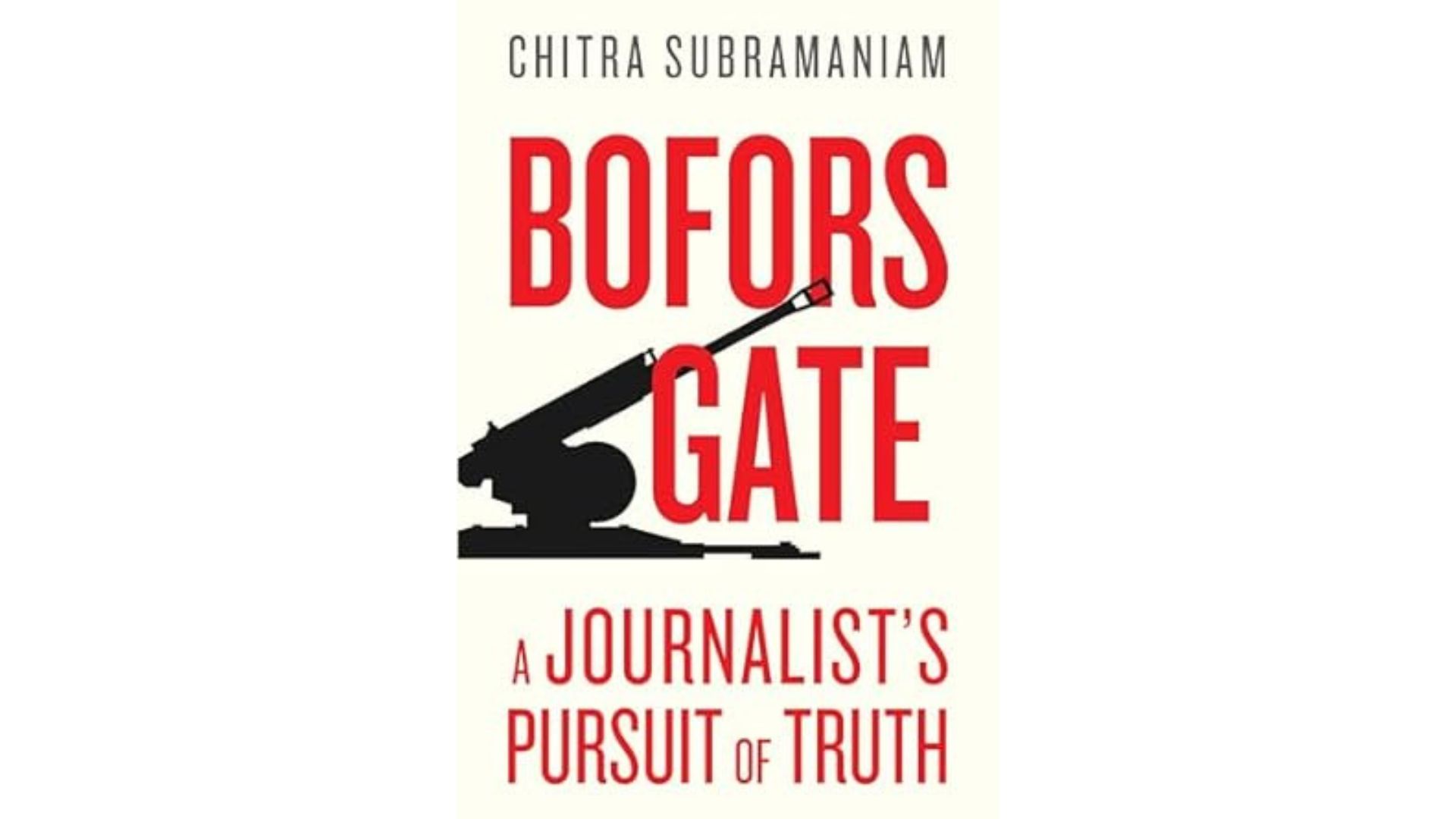


Chitra Subramaniam tells her part in the Bofors investigation — it is a matter of curiosity as to how many in their 30s and 40s would recall the Bofors episode of Indian politics of 1987-88 — in an interesting fashion, with the right mix of the personal and the professional. And the fact that she was reporting from Geneva, and Stockholm, running into Prakash Ahuja where she is pouring wine for herself and offers him some, and he says, “Juice, juice, only juice, only juice. No drinks, no meat, no meat.
” (p. 19) Her newsroom is the United Nations Press Centre in Geneva, where a tied bag was left at her desk, which she left unopened. And this was followed by threatening phone calls.

She reaches Geneva in 1983 from Stanford University where she had gone from New Delhi to do her post-graduate diploma in communications, and meets the Swiss Carlo, and they get married in a simple Hindu ceremony in New Delhi. She becomes an investigative journalist by accident when she does the initial follow up stories on the Swedish Radio reports on Bofors, the arms manufacturer, clinching the sale of field howitzers to India by paying bribes to Indian politicians. The story becomes interesting because Subramaniam is focused on the payment of bribes and she feels outraged by the fact of corruption in Indian government, and disappointed with Rajiv Gandhi because he had promised to eliminate corruption in public life.
Even as she filed her reports on who got paid through which secret bank acc.