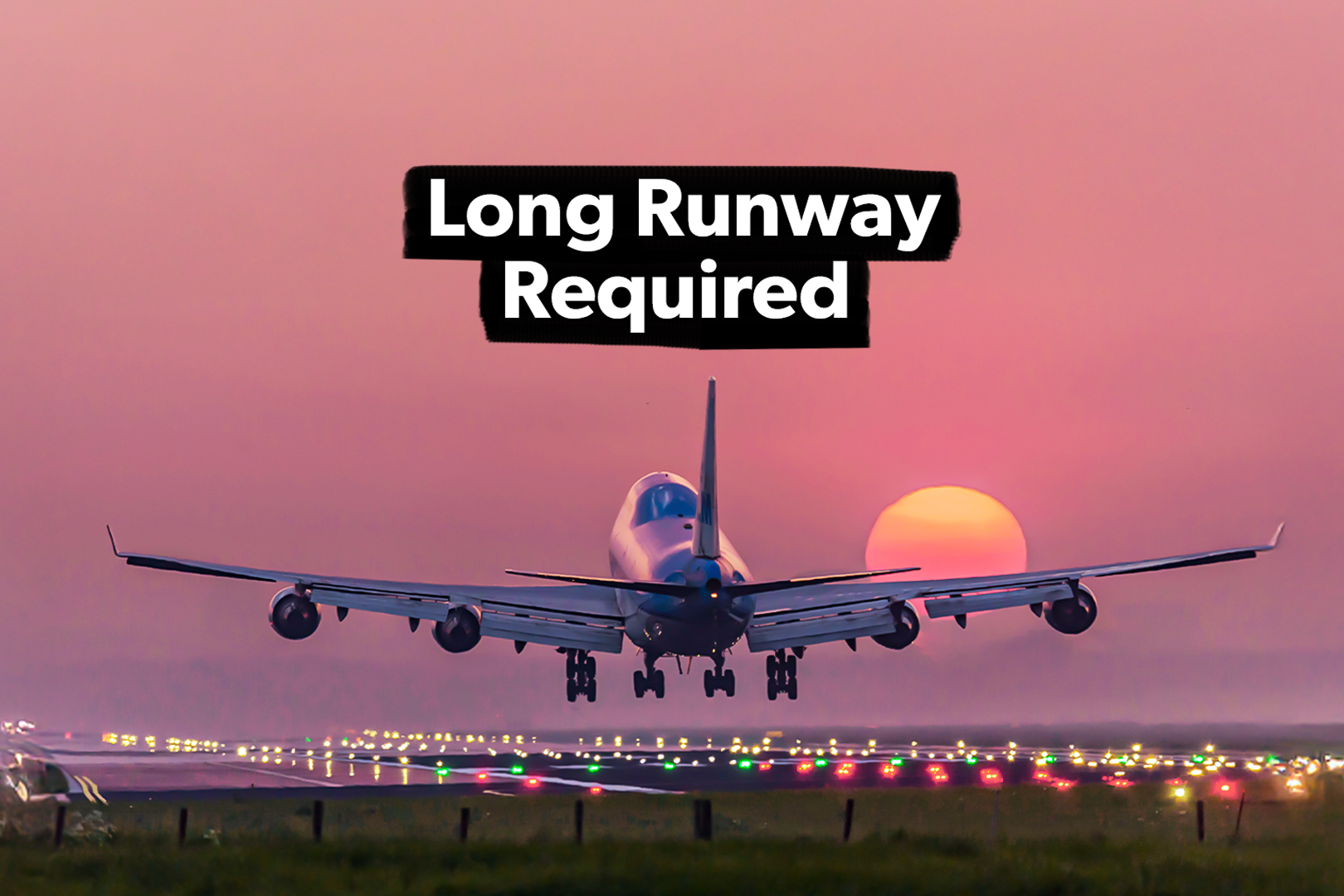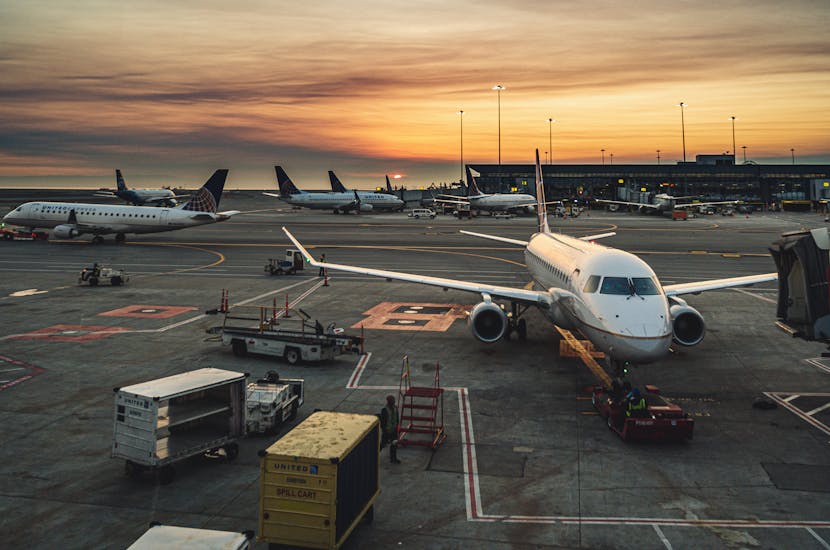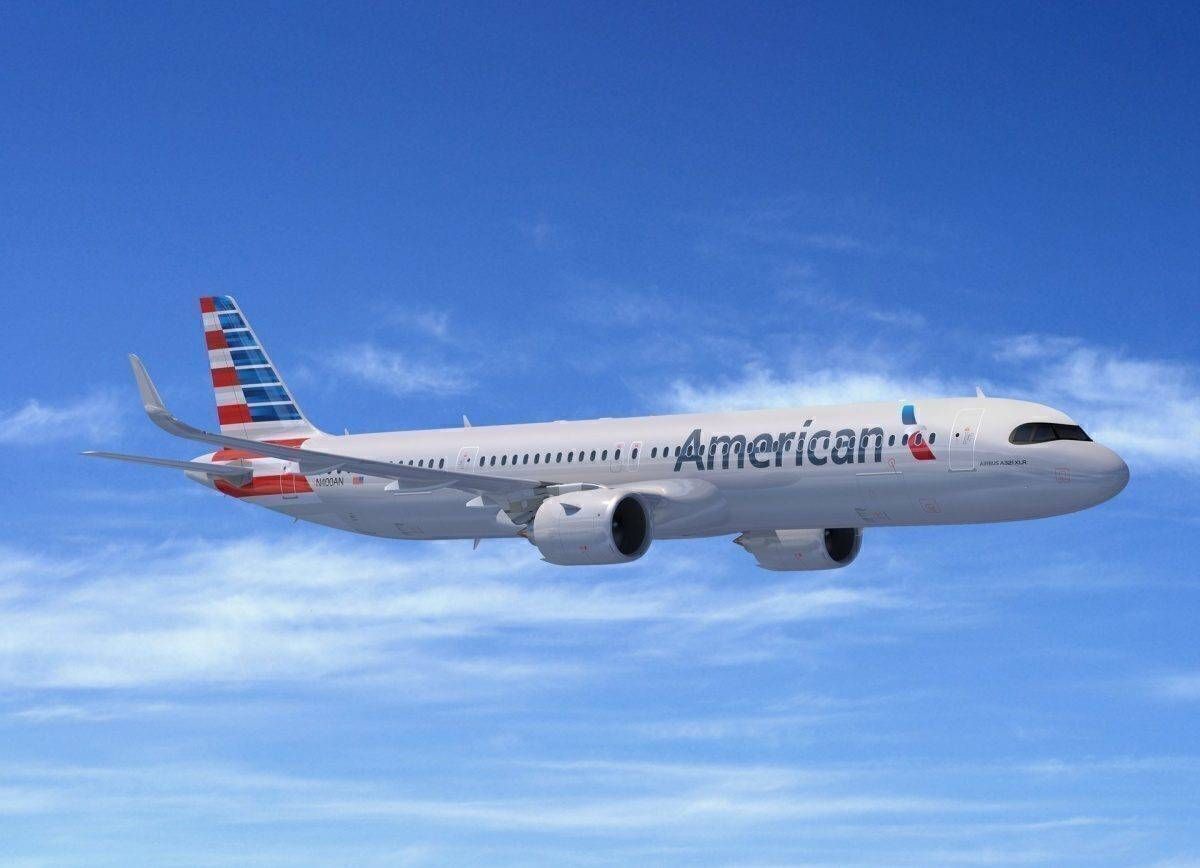


The length of an airport's runway can significantly affect flight operations. Airports worldwide have varying runway lengths, allowing them to safely accommodate a certain number of aircraft types. The design and condition of an airport runway factor into the calculations airlines and their pilots will take to ensure the aircraft arrives or departs safely.
Factors at play for an airport runway The runway length allows safe takeoffs and landings for varying airline sizes. The airport is responsible for ensuring that the runway has been meticulously planned and maintained to facilitate the safe movement of aircraft. Correcting the runway length is crucial for an airport, as it will outline its ability to accept various-sized aircraft.

An airport runway is a rectangular area in the landing field, which is prepared especially for the arrival and departure of aircraft. While the world's major airports have asphalt or concrete runways, the runway can be as simple as an uncovered grass or a dirt strip in smaller regional areas. This is due to the varying needs of that airport and region.
Runways are identified with their alignment to magnetic north , which translates to 08 for a runway facing 80 degrees to magnetic north. Larger airports with multiple runways distinguish their runways with letters, such as 08L (left) and 08R (right). Major airports frequently have various runways, sometimes up to five or six, and have varying sizes for bigger commercial jets to accommodate aircraft .