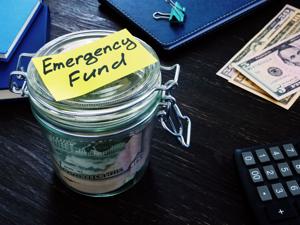


Starting an emergency fund is often highlighted as a crucial aspect of personal finance, but we don’t talk as much about when you should tap into that money. For example, if someone faces an unexpected car repair bill, should they dip into their emergency fund or explore other financial avenues? It’s a dilemma that many individuals grapple with when confronted by financial emergencies, potentially disrupting a carefully balanced budget. The reality is that most Americans also don’t have robust emergency funds, with 41% saying they couldn’t cover a $1,000 emergency expense from their savings, according to Bankrate’s 2025 Annual Emergency Savings Report.
Still, personal emergencies happen. What’s important is understanding when to spend emergency funds and when to save them for when they’re truly needed. Here are some situations where it’s necessary to withdraw money from your savings and how to protect that money as much as possible.

-- Statistics Bankrate’s emergency savings report found that: • Only 41% of U.S. adults would pay for an unexpected emergency expense from their savings.
• Most people (70%) would be worried that, if they were to lose a primary source of income tomorrow, they wouldn’t have the emergency savings to cover their immediate living expenses. • One-third (33%) of U.S.
adults say they have more credit card debt than emergency savings. • Thirty percent of adults have more emergency savings than they did a year ago, and 27% have .