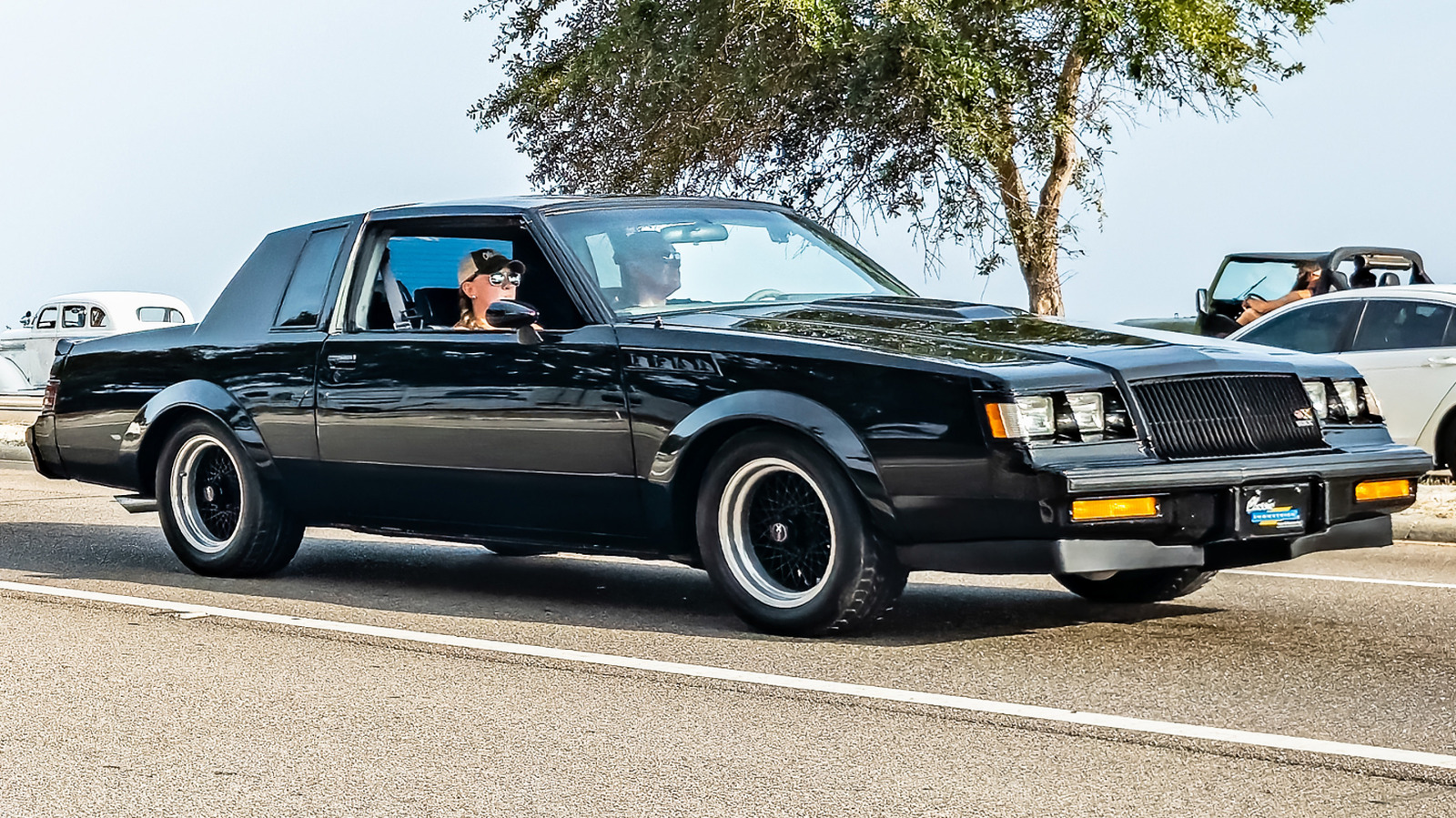


The mid-1970s saw some changes that made this era challenging for muscle car manufacturers. The U.S.
government — in its bid to control air pollution and improve fuel efficiency — rewrote the regulatory book for automakers when it passed the Clean Air Act of 1970. This prompted most American car companies to downgrade and redesign their engines in order to comply. Just as the industry was coming to terms with the new emissions regulations, the Organization of Petroleum Exporting Countries (OPEC) embargo in 1973 all but cut off crude oil supplies to many countries.

The cost of oil jumped from $3 to $12 a barrel, and gas prices jumped from $0.35 in 1970 to $0.50 per gallon in 1974 (a 43% increase).
Because of their higher power outputs, muscle cars from the 1960s and early '70s were associated with riskier driving and, consequently, accidents and fatalities. Thus, muscle car owners were considered high risk for car insurance by companies and were accordingly charged higher premiums to insure. This sadly increased running costs for drivers with thirsty, high-horsepower V8s.
As rising insurance costs and fuel shortages became critical problems, buyers began to shift towards more efficient options from abroad. American automakers had to respond, and for General Motors, that came in the form of the G-body platform. The GM G-body was introduced in 1978 as a versatile, intermediate platform that was designed to be lighter than the A-body chassis it replaced.
This would enable GM .