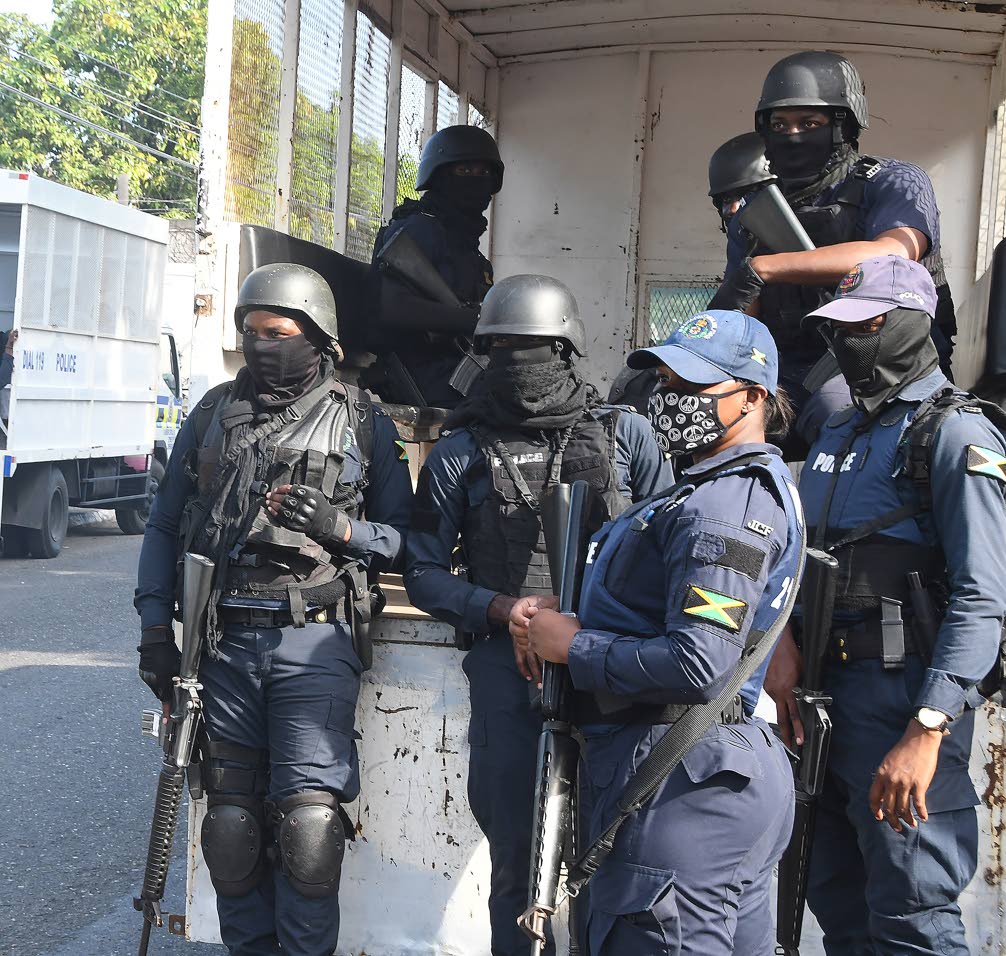


It was a humid Tuesday morning in St James when Constable Michael Reid kissed his wife goodbye, the scent of her coffee lingering as he stepped into the dawn. Hours later, he’d be staring down a gun barrel, his pulse hammering as he shielded schoolchildren from a gang’s sudden fury. Across the island, in Portland’s misty hills, Corporal Lisa Grant of the Jamaica Defence Force (JDF) gripped her rifle, leading a night patrol to intercept a drug boat slicing through the Caribbean’s dark waves.
Both survived — barely — but when they returned home, the weight of their days clung like a second skin. Reid flinched at a car backfiring, his wife’s gentle touch met with a vacant stare. Grant’s hands shook as she recounted the mission to her teenage son, who saw not a soldier but a mother fraying at the edges.

For Jamaica’s police and soldiers, this is the silent cost of valour — a burden that echoes beyond their badges and into the hearts of those who love them. As Jamaica basks in a hard-earned drop in crime — homicides falling thanks to the iron resolve of the Jamaica Constabulary Force (JCF) and Jamaica Defence Force (JDF) — a grim shadow rises: mounting fatalities among our security forces and a psychological toll threatening to break our front-line heroes. These guardians, the twin sentinels of our nation, face relentless trauma — gunfire, floods, grief — yet their mental scars remain unseen, untreated, and too often ignored.
But hope flickers amid the .