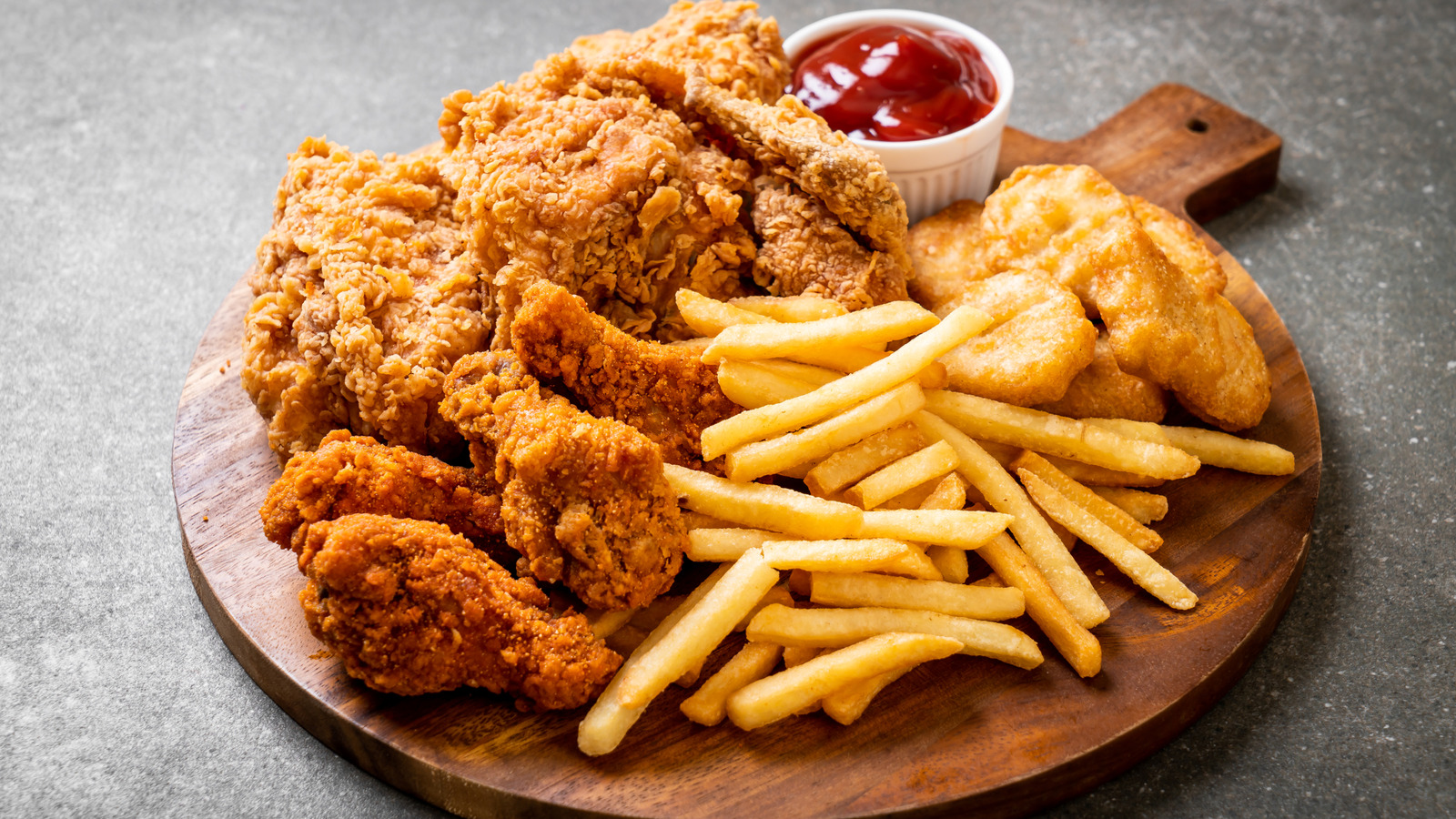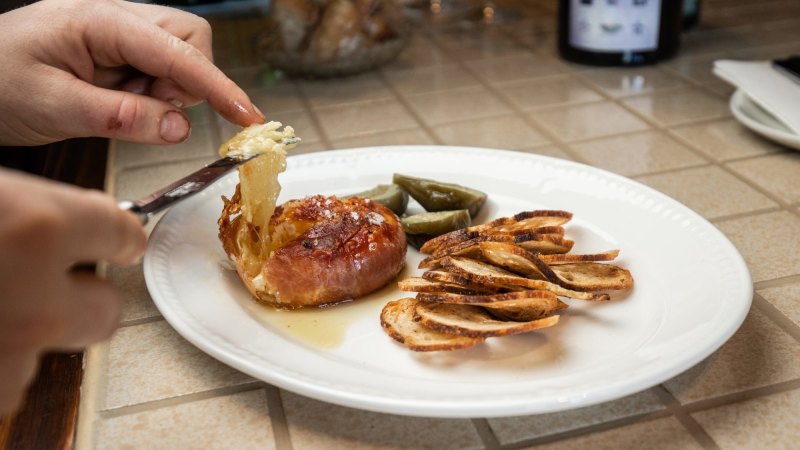


Chefs have known for a long time that deep frying food with beef tallow creates explosively delicious flavor. But despite the incredible taste, frying with beef tallow also has downsides. Chef Pete Geoghegan, Culinary Director for Cargill Protein, walked Daily Meal through the ups and downs of cooking with this versatile ingredient.
Geoghegan explained, "Beef tallow is rendered beef fat, primarily from suet (fat surrounding the kidneys)." Frying food in animal fats may seem like an obvious route to rich flavor, but there's a reason it isn't commonly used. "Tallow is less common today because of the rise of vegetable oils, which are more neutral in flavor and often more affordable," Geoghegan noted.

Even though vegetable oils are more accessible, beef tallow is arguably the superior choice according to Geoghegan. He revealed, "Beef tallow has a higher smoke point than some vegetable oils (like butter or unrefined olive oil) but is similar to peanut or canola oil." The chef added, "It retains heat well, leading to crispier fried foods.
" The main drawbacks of cooking with tallow, Geoghegan said, are its high saturated fat content, and the "distinct 'beefy' flavor" it tends to give food. To figure out if it's right for you, it's important to weigh all the pros and cons. Flavor and texture make the case for beef tallow Frying with beef tallow creates a "rich flavor that enhances fried foods, particularly meats," Pete Geoghegan said, adding that its high smoke point — around 400 .