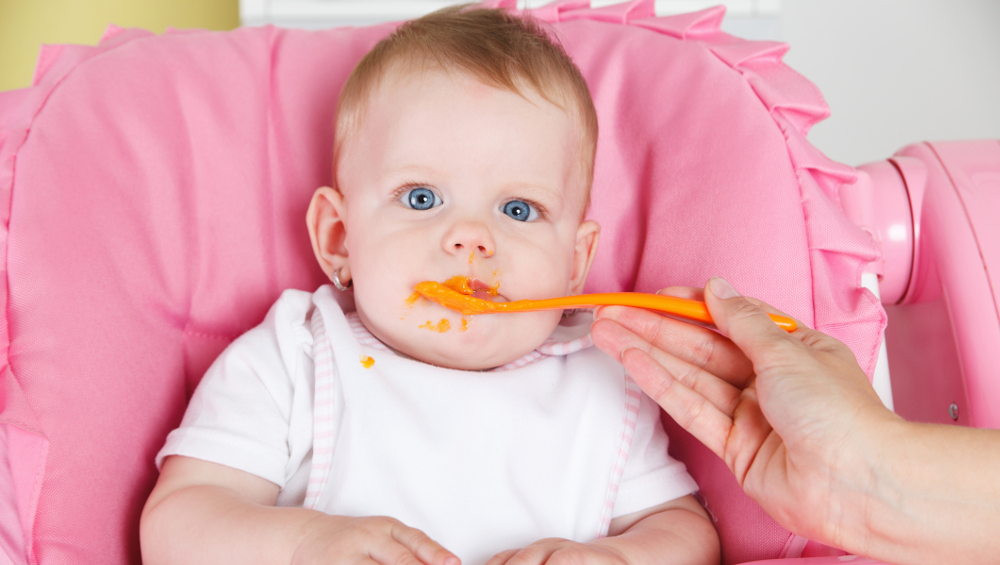


— OPINION — The toxic baby food crisis is not just a failure in public health. It is a defining moral challenge for an industry entrusted with the most sacred responsibility: nourishing our children. For years, warnings about heavy metals like lead, arsenic, and cadmium, coupled with pathogens such as Cronobacter sakazakii, have sounded loudly, only to be met with insufficient action.
The public’s trust has been steadily undermined by corporate inertia and regulatory gaps that prioritize short-term profits over long-term safety. The alarm bells are not new. In 2022, the Abbott Nutrition recall of contaminated infant formula exposed systemic vulnerabilities, leaving store shelves empty and parents panicked.

In 2024, further findings of heavy metals in baby food confirmed a grim truth: The safeguards we rely on to protect our children are woefully inadequate. Yet, despite these warnings, many industry responses remain reactive, inconsistent, and unworthy of the trust parents place in them. Leadership that goes beyond the bottom line The cost of cutting corners is written in shattered trust and mounting outrage.
Parents are left asking: If companies won’t protect their children, who will? The answer must come from courageous corporate leadership — a kind of leadership that understands safety is not just an ethical imperative but also a cornerstone of business survival. The choice between short-term cost savings and long-term trust is a false one. Companies that invest .