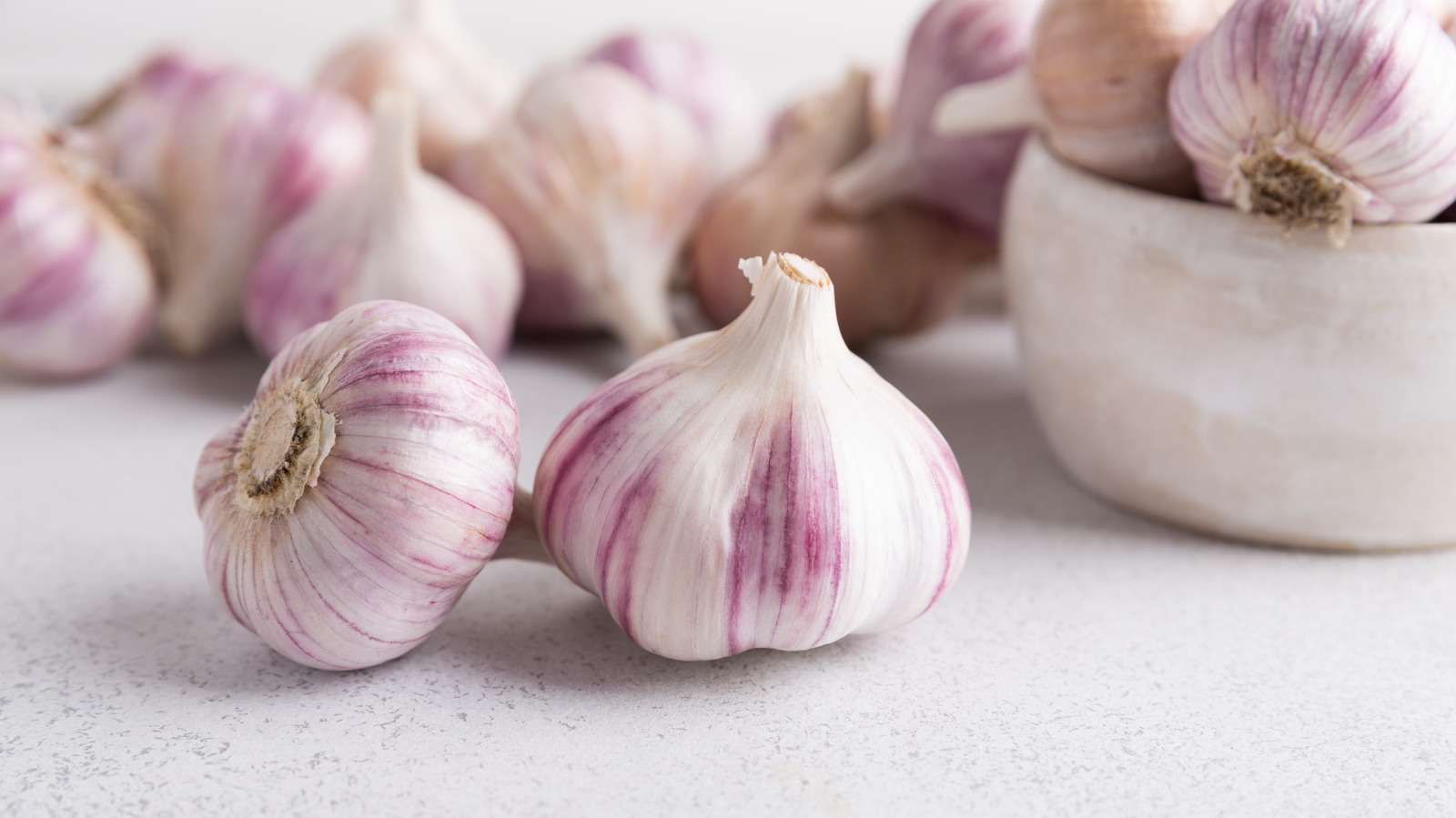


Beloved the world over for its ability to transform any dish, garlic is foundational to many cuisines. Its exceptionally strong flavor, fragrance, and medicinal properties set it apart from other vegetables, and it frequently appears in common folklore. Tales of the allium's curative abilities date back to Ancient Greece, when people relied more heavily on food as medicine.
Today, many of those old legends linger in our collective knowledge, coloring what we think we know. So which garlic myths are actually true? Garlic is a nutritional powerhouse, with beneficial levels of several minerals, including potassium, zinc, selenium, and manganese. It's also known to have antioxidant, anti-inflammatory, and lipid-lowering effects, and is sometimes referred to as a nutraceutical.

Garlic has been the focus of many clinical trials, which have proven garlic to have an outsized ability to treat a number of diseases, especially those related to cardiovascular health. But in most cases, it must work in tandem with medication and other therapies to be effective. Simply put, garlic offers a wealth of benefits, but is not the magic cure-all of old wives' tales, and any medical claims with roots in the supernatural are likely overblown.
Even if you don't believe that it grants good luck or repels vampires, you might be surprised to learn how many preconceived notions about garlic are based on those old ideas. Here are ten popular myths about garlic that it's time to move on from. Myth: Garlic.