

Rebecca Yarros was already a prolific romance novelist by the time she approached her publisher, Entangled, about “Fourth Wing.” Yarros envisioned a set at in the kingdom of Navarre, complete with dragon-riding warriors, an enemies-to-lovers storyline, assassination attempts, magic and telepathy, a love triangle, a commanding mother and a young protagonist who overcomes her own physical disadvantages to become the most powerful figure in the book. “Fourth Wing” would go on to globally in its first six months, en route to becoming a cultural phenomenon.
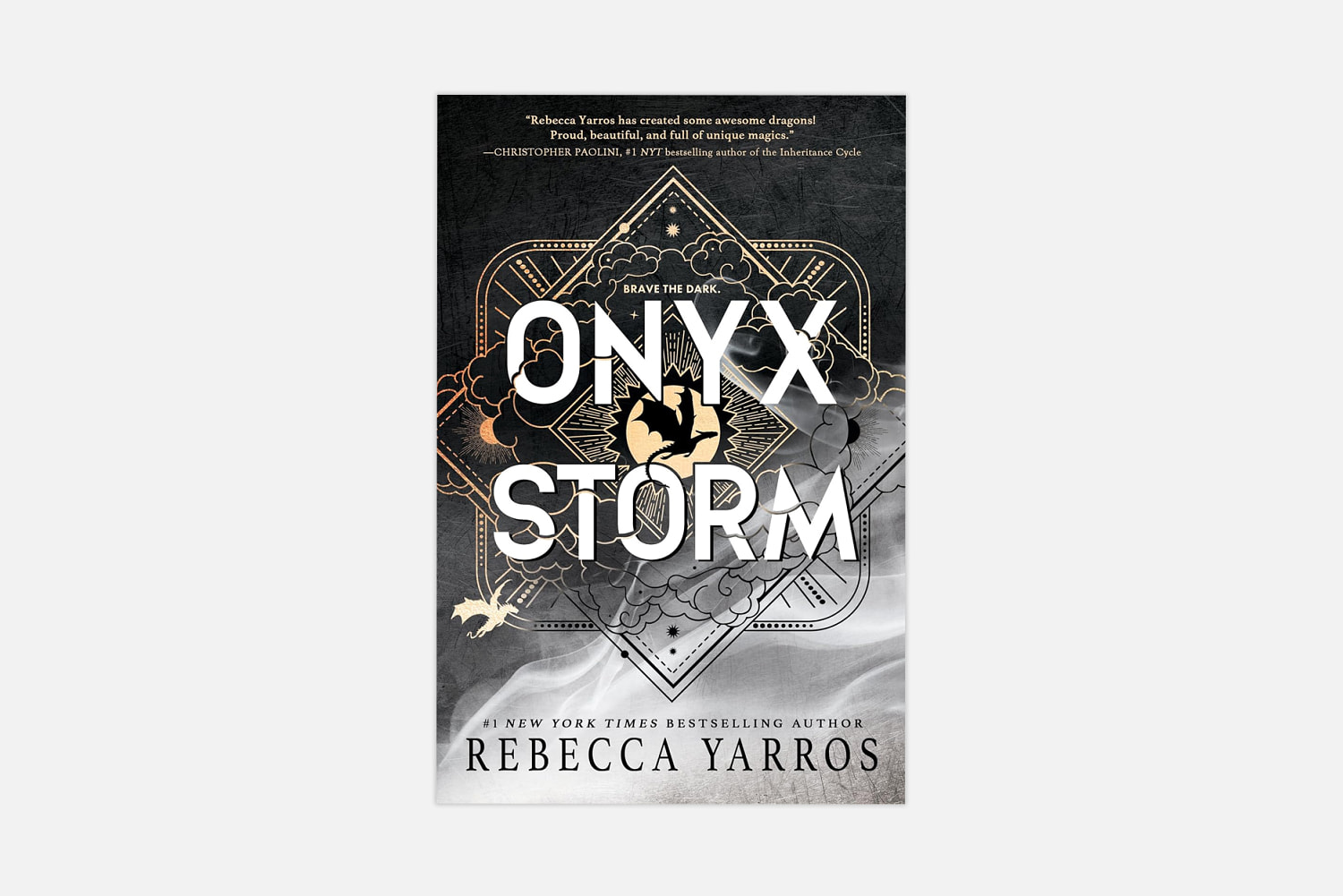
This week, the third installment of the Empyrean Series, “Onyx Storm” finally hits store shelves. The second installment ended on a gripping cliff-hanger, adding to the anticipation. and stood in long lines to at their local Target.

Entangled didn’t release any copies of the book early. Believe me, I asked. Yarros’ runaway success is emblematic of a dramatically shifting literary landscape.
Along with titles like “A Court of Thorns and Roses” by Sarah J. Maas, these romantasies are part of a broader movement of novels subverting the traditionally male-centric fantasy genre. Yarros and Maas are technically part of a literary canon defined by 20th-century classics like J.
R.R. Tolkien's “The Lord of the Rings” and Frank Herbert's "Dune.
" These novels were written by men, and seemingly, for men. There are virtually no women of significance in Tolkien’s Middle-earth. English literary scholar Catherine Stimp.

.jpg)