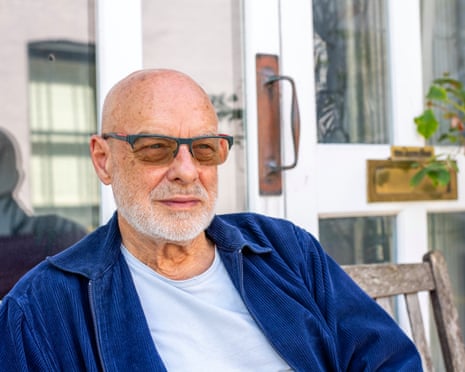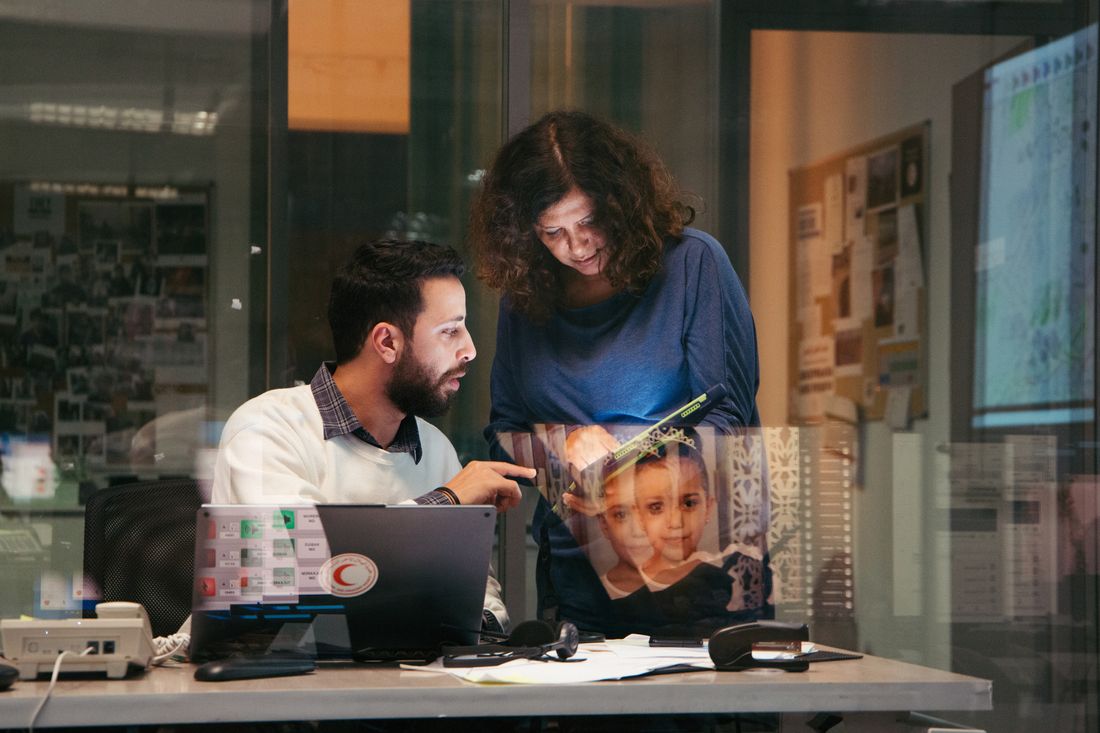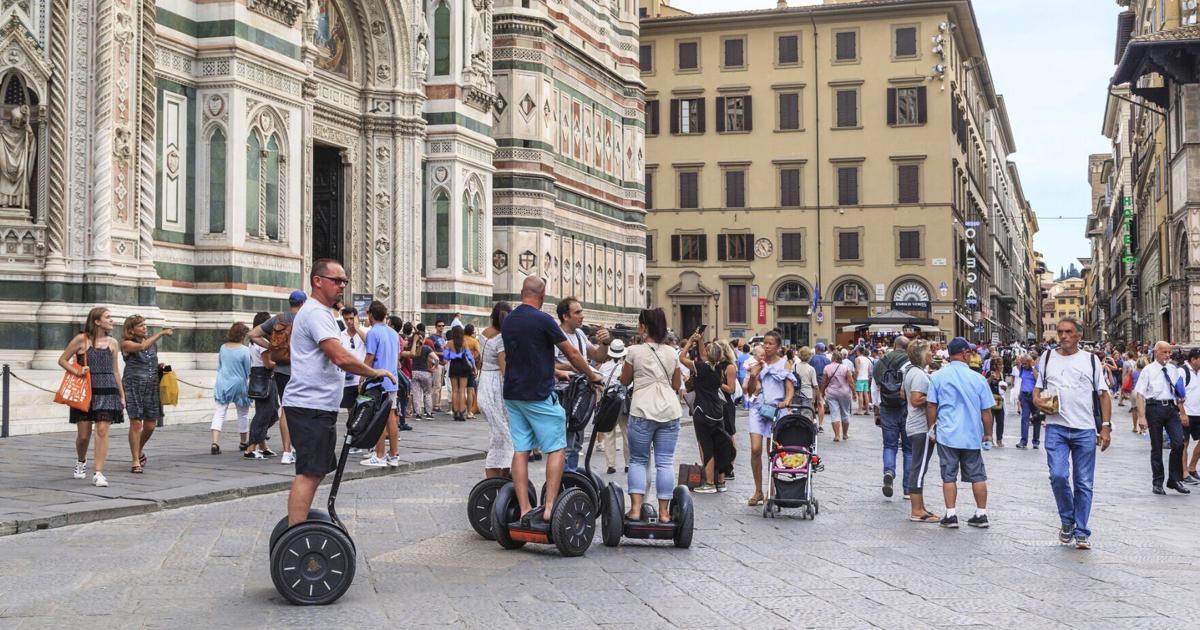


Have you ever noticed how quickly people tend to glance at things – art, nature, even the people around us – and move on? What if folks paused for a minute or even longer? Referred to as “slow looking” for centuries, Harvard researcher Shari Tishman helped define slow looking as the practice of taking the time to really see – whether it’s a painting, a tree or that morning cup of tea. Instead of rushing past something with a quick look, slow looking means you stop, stay with it and let yourself really explore what’s in front of you. This kind of focused observation often leads to details you’d completely miss otherwise, like the way light falls on a leaf, or how a brushstroke in a painting seemingly moves.
What’s great is that looking slowly isn’t just for art lovers or museum-goers. You can do it anywhere, anytime. During a walk, maybe pick a “looking” theme such as studying the bark texture of trees.

Sit with a photograph and notice the emotions it stirs. You don’t need any special training – just curiosity and some patience. There are two ways to engage in slow looking.
One is introspective – asking how what you’re looking at makes you feel or what memories it brings up. The other is externally – thinking about the context such as who made it or contemplating the backstory. Both approaches deepen your connection to what you see.
Making a habit of being a slow looker comes with some surprising perks. It sharpens your observation skills, boo.