

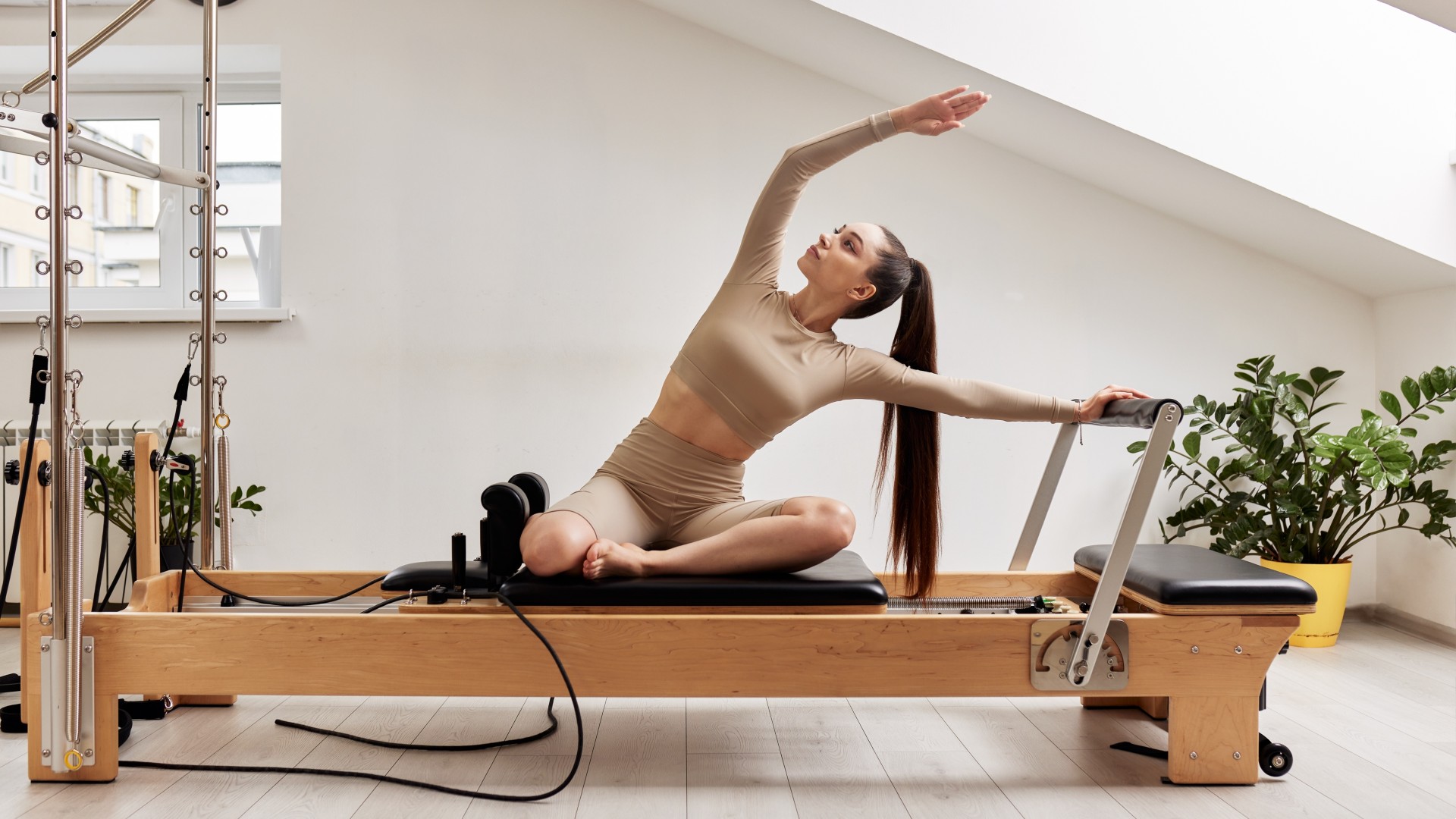
Pilates is one of the most popular forms of exercise out there, known to build stronger muscles and joints, increase flexibility and range of motion and even improve posture and rehabilitation.However, there are also many myths concerning Pilates, and one movement coach and Pilates equipment company co-founder wants to debunk the most common ones.According to Statista, over 11 million people in the U.
S. tried Pilates in 2023 alone. But, despite its popularity, Sol Scheinmann, co-founder of Pilates Matters, says there are still misconceptions about the Pilates method.

From being labeled a “women’s workout” to requiring buckets of flexibility, Scheinmann has heard it all.Here are 10 Pilates myths you shouldn’t believe, according to a movement coach.10 Pilates myths — and why you shouldn’t believe them“There’s a lot of misinformation circulating about Pilates that can be intimidating for beginners,“ Scheinmann says, who has extensive experience practicing and teaching Pilates.
“By addressing these myths, I hope to show that Pilates is accessible to everyone, regardless of their fitness level or background.”1. Pilates is just for women“The founder of this method was a man named Joseph Pilates,” says Scheinmann.
“He developed these exercises initially for soldiers...
a lot of professional male athletes incorporate Pilates into their training routines for its core-strengthening and injury-prevention benefits.”2. You need to be flexibleAlso false.
An exi.



)